

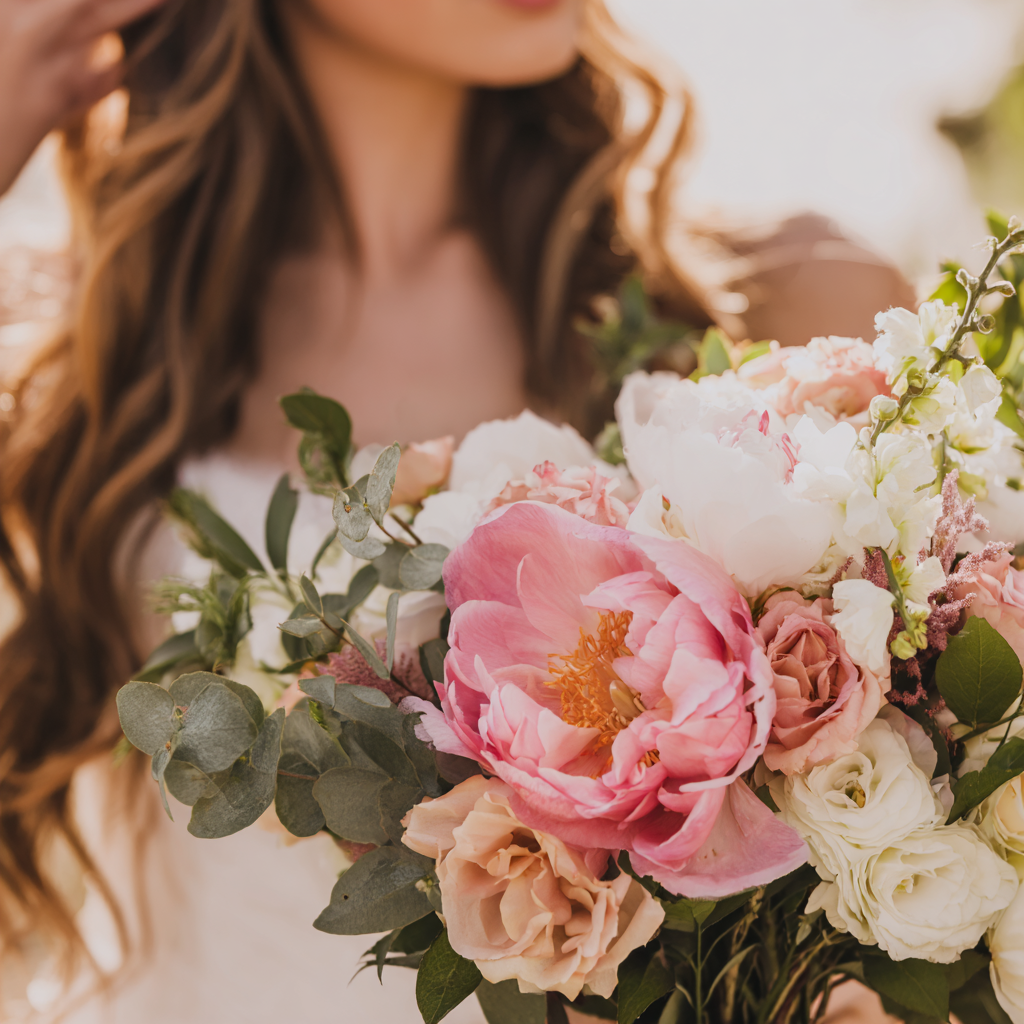
Your Bouquet, Your Memories
Your wedding day is often a beautiful blur of love, laughter, and unforgettable moments—but your bouquet doesn’t have to fade along with the memories. Most flowers begin to wilt within days if they aren’t preserved, yet with the right method, those cherished blooms can last a lifetime. This post will walk you through everything you need to know to choose the best preservation option for your flowers.
I know flower preservation can sound tricky or intimidating, but it’s often easier than you might think. By preserving your bouquet, you can:
Transform a fleeting moment into lasting art with framed pieces, resin keepsakes, or floral jewelry.
Create a future heirloom to pass down to your children or cherish as an anniversary keepsake.
Preserve your love story in a beautiful, tangible form.
Of course, if you have any questions, we’re here to help. Feel free to schedule a consultation or explore our flower preservation methods to learn more about how we can help you preserve your bouquet, or keep reading for more DIY tips!
Which Method Is Right for You?
Pressed & Framed: This classic method transforms your flowers into a beautiful, flat work of art. The finished piece offers strong durability, though color retention is slightly more moderate compared to other professional options. Pricing typically ranges from $200 to $750, with a turnaround time of 4–8 weeks. It’s ideal for creating elegant wall art to display in your home.
Resin Block: If you’re looking for a stunning, three-dimensional keepsake, a resin block is an excellent option. It offers very high durability and excellent color retention, preserving your blooms as though they were frozen in time. Pricing typically ranges from $250 to $900, with a turnaround time of 6–10 weeks. It’s a perfect choice for creating a sculptural keepsake to display on a shelf or mantelpiece.
Jewelry Casting: For a wearable, personal memento, consider having your flowers preserved into jewelry. This method offers high durability and excellent color retention, allowing you to carry a piece of your wedding day with you. Pricing typically ranges from $50 to $450, with a turnaround time of 3–8 weeks, making it a beautiful option for necklaces, rings, and other wearable keepsakes.
Silica Gel: This is a popular DIY method for preserving the three-dimensional shape of your flowers. The final result offers medium durability with good color retention. As a DIY option, it’s budget-friendly, typically costing $60 to $200 in materials, and delivers quick results in just 3–7 days. It’s best suited for DIY enthusiasts working with small blooms.
Air Drying: The most traditional method, air drying results in a rustic, low-durability finish with poorer color retention, as flowers naturally fade and become brittle over time. It’s also the most affordable option, typically ranging from free to $50 for basic materials, and takes about 1–4 weeks. This method is best suited for those who prefer a rustic aesthetic or are preserving a more casual bouquet.
5 Preservation Methods: DIY and Professional Guide
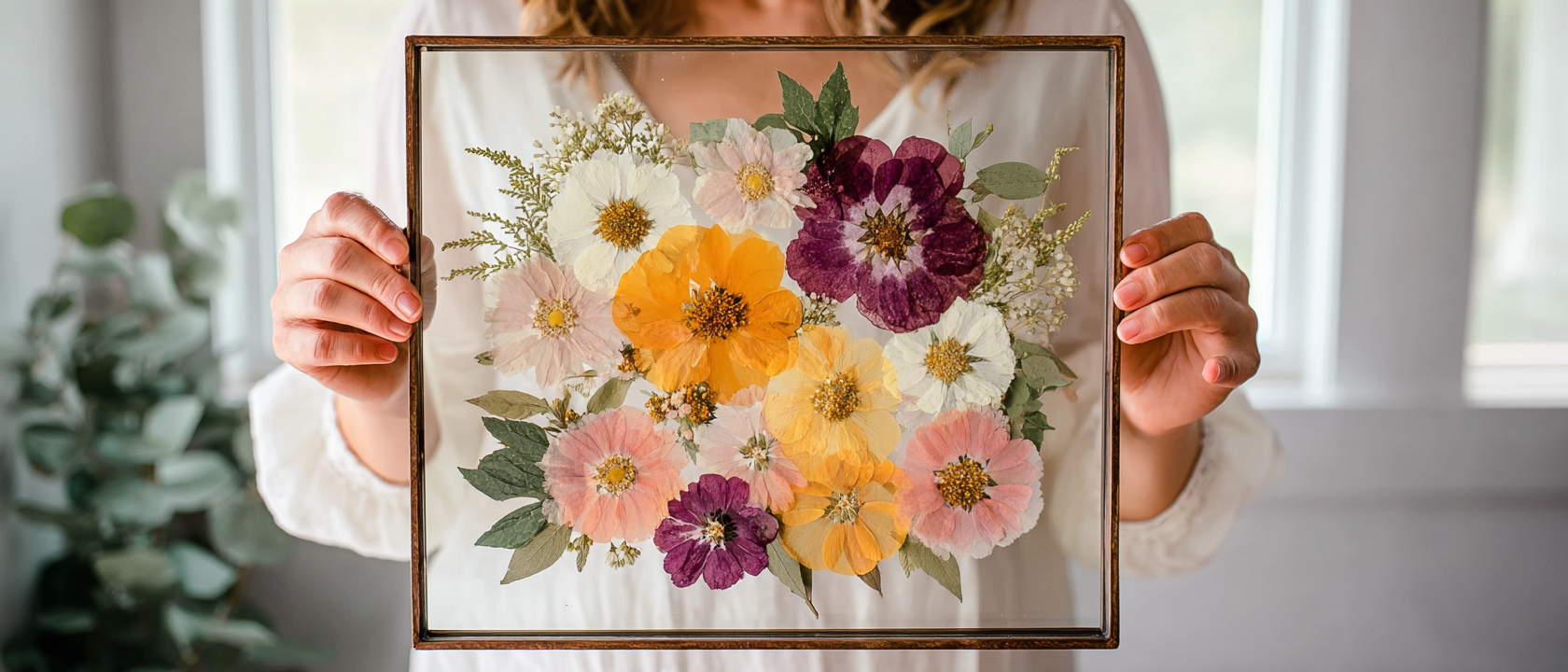
1. Pressed & Framed Flowers
DIY: Carefully deconstruct and handle each petal individually. Place them between acid-free blotting paper, then press them in heavy books or a flower press for 2–4 weeks. For best results, use a dehumidifier and replace the blotting paper regularly. It also helps to space the petals evenly so they don’t stick together or develop folds.
Pros: Affordable, charming rustic look.
Cons: Flat design, potential browning or mold if not careful with moisture control.
Pro Advantage: Higher-quality preservation of flower color and texture, with a reduced risk of decoloration, mold, or damage. Skilled, precise arrangement helps ensure long-lasting color retention.
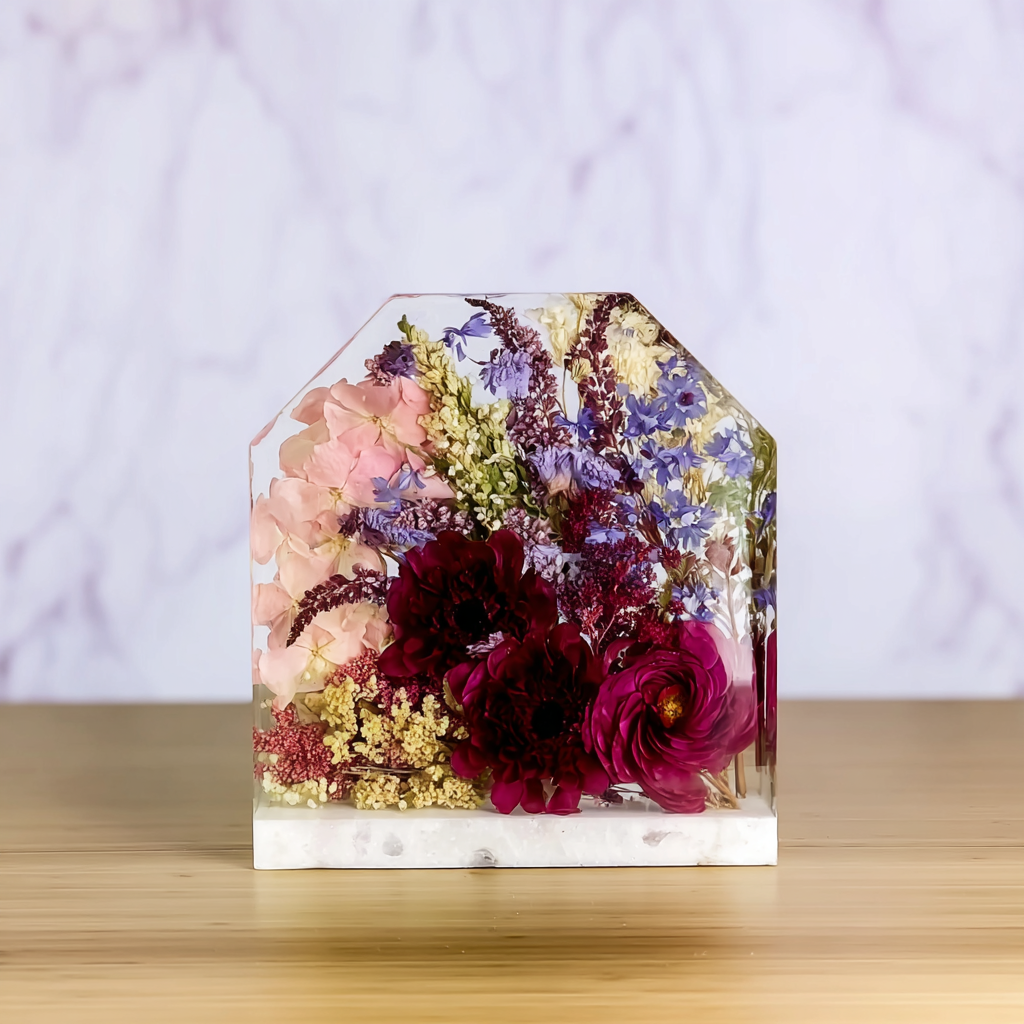
2. Epoxy Resin Preservation
DIY : Proper resin preservation can be tricky and carries some risk if you’re not familiar with resin techniques. It often takes a few attempts to master bubble removal and temperature control, but it’s absolutely achievable with practice. Be patient, and make sure your flowers are completely dry before beginning. Pour in stages, and use proven curing and bubble-prevention methods. Always follow safety precautions to protect your health.
Pros: When done correctly, resin designs can be both beautiful and functional. They offer a crystal-clear finish, UV stability, and excellent color preservation.
Cons: Resin preservation is the most permanent of all the methods and cannot be reversed if something goes wrong during the process. Pressed or dried flowers can often be repurposed into jewelry, journals, and other art forms, but flowers set in resin are there to stay.
Best for: Bookends, blocks, trays, tables, and jewelry.
3. Jewelry Casting in Resin
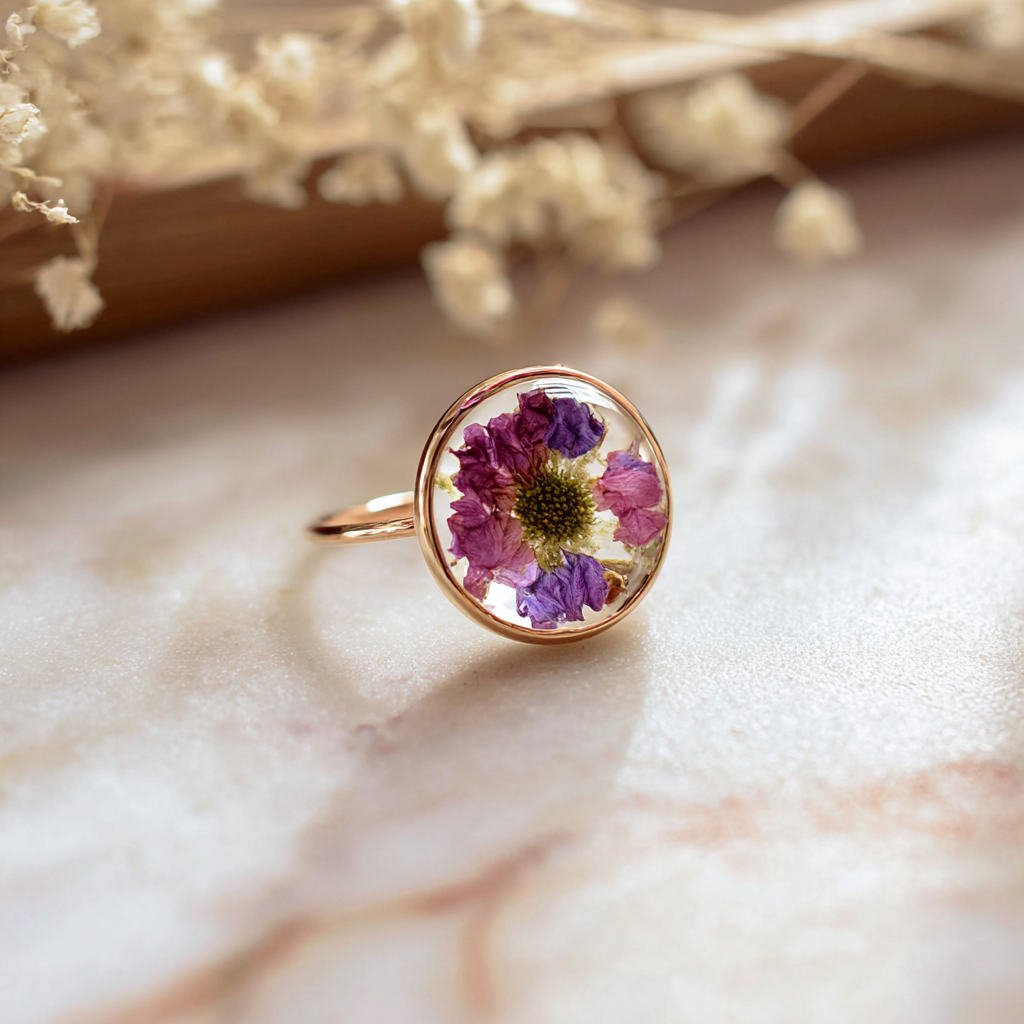
DIY: Most floral jewelry is created through resin flower preservation, using small components of your bouquet and sealing them into a wearable keepsake. DIY jewelry projects can be more accessible than larger resin pieces, but they still require careful planning to ensure the flowers aren’t damaged. Start with a bezel-style setting you like and use the same resin preservation techniques above to create a piece you love.
Tips: Medium 10–12 mm cores preserve details more effectively than smaller ones. Use plated or solid metals for chains, as the resin process may damage plastic components.
Pro advantage: Professional guidance helps ensure better color retention and durability in your design, resulting in a higher-quality keepsake.
4. Air Drying / Hanging
DIY: Simple! Hang small bundles upside down in a dark, dry, well-ventilated area for 2–4 weeks. Keep them away from sunlight and from any physical disturbances like fans, children, or pets.
Pros: Inexpensive and full of rustic charm. It can also be preserved in resin later if done correctly.
Cons: Colors will fade over time, and flowers can become brittle or stick together.
Best for: wildflowers, simple bouquets.
5. Silica Gel Drying
DIY: Submerge flowers in silica gel for 3–7 days to retain shape and color.
Pros: Usually good color and structure retention.
Cons: Can be messy, careful handling is required.
Pro Advantage: Industrial silica, controlled environment, vibrant results.
Preparing Your Bouquet for Preservation
How to Prepare Your Bouquet for Preservation
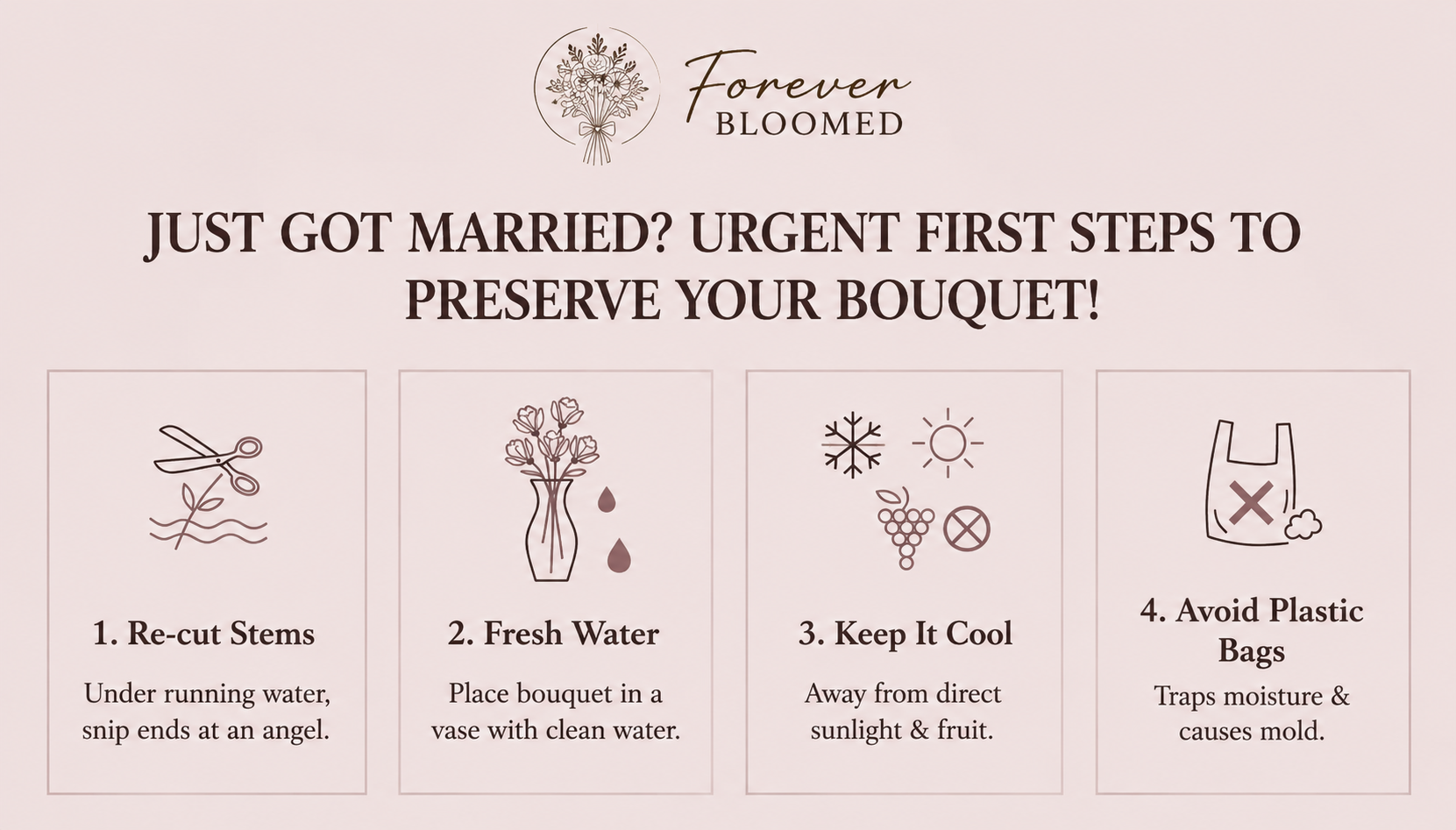
The first few days after your wedding are the most important for your flowers. To achieve the best possible results, follow these simple steps before beginning the preservation process:
Cut stems immediately. Re-cut the stems at an angle under running water to help the flowers absorb as much moisture as possible.
Store in fresh water, cool, and away from sunlight. Keep your bouquet in a vase with fresh water in a cool room, away from direct sunlight, heat sources, and drafts. This helps prevent the petals from wilting or browning prematurley.
Ship to a professional within 1–3 days. If you’re using a professional preservation service, timely delivery is essential to ensure your flowers are preserved at their freshest and most vibrant state.
Crucial Mistakes to Avoid
The preservation process can be delicate, and even small mistakes may affect the final result. Be sure to avoid these common errors:
Waiting too long. Flowers begin to deteriorate almost immediately after being cut, so waiting too long is one of the biggest mistakes you can make.
Using plastic bags or tightly sealed containers. These can trap moisture and create the perfect environment for mold, which can quickly ruin your flowers.
Refrigerating them. While this seems like a good idea, a home fridge's temperature and humidity fluctuations can surprisingly damage delicate petals.
Attempting complex DIY without experience. Methods like resin or silica gel preservation require practice and patience. If you’re not experienced with DIY preservation, there’s a risk of damaging your precious bouquet.
Which Flowers Preserve Best?
Costs, Timelines & Expectations
When planning your flower preservation, it’s helpful to factor in both the cost and the turnaround time for each preservation method.
Pressed & Framed is a professional option, typically ranging from $200–$750, with a turnaround time of 4–8 weeks.
Resin Blocks are a high-end service, typically ranging from $250–$900, with a turnaround time of 6–10 weeks.
For Jewelry Casting, pricing typically ranges from $50–$450, with a turnaround time of 3–8 weeks.
Silica Gel is a low-cost DIY method, with materials typically ranging from $60–$200, and a quick turnaround of just 3–7 days.
Finally, Air Drying is the most affordable DIY method, typically costing between free and $50, with a timeline of 1–4 weeks.
These figures are a general guide, as final costs can vary depending on factors such as bouquet size, design complexity, and any rush order requests.
Choosing the Right Method
Choosing how to preserve your wedding flowers is a personal decision shaped by your budget, preferred aesthetic, and how you’d like to enjoy your keepsake for years to come. To help guide your choice, consider what kind of memory you want to create:
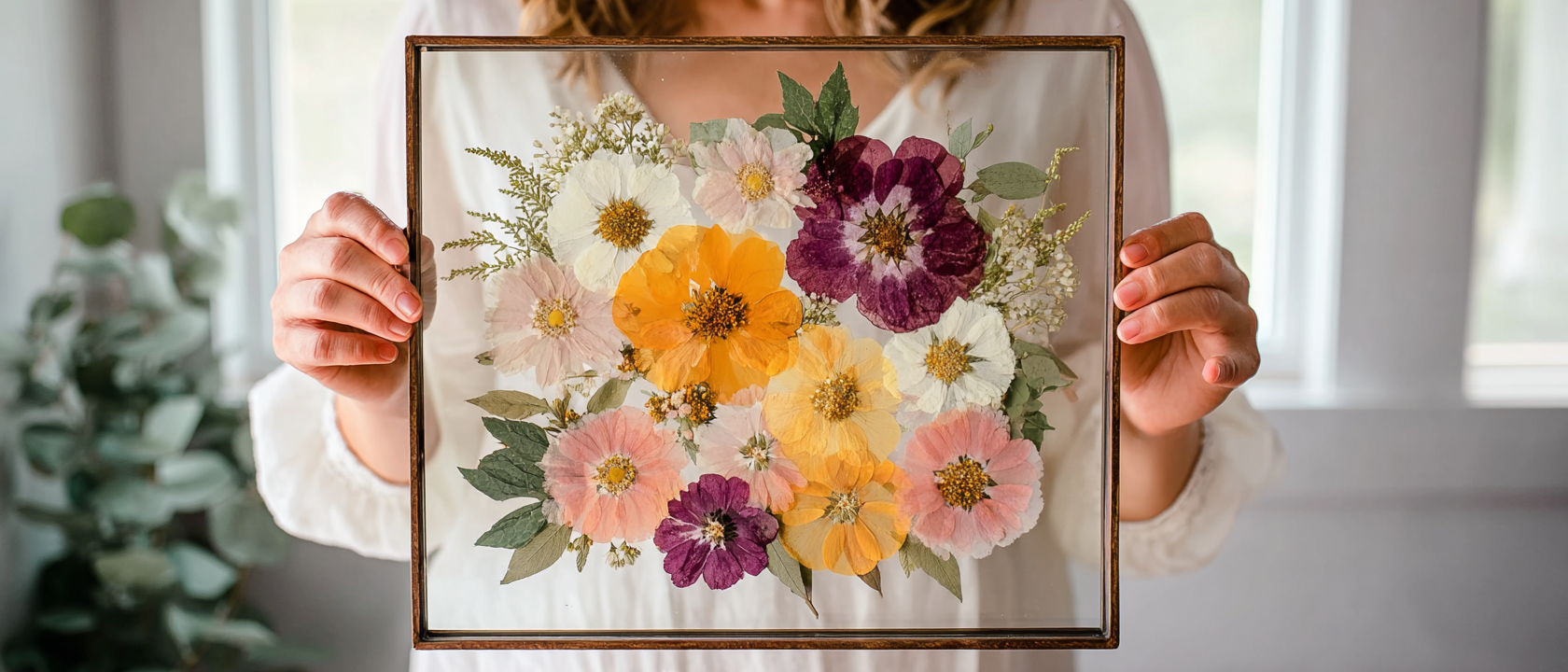
If you’re dreaming of beautiful wall art that tells your story, consider Pressed & Framed flowers. This classic method transforms your bouquet into a stunning, two-dimensional display, carefully preserved behind glass. Professionals use archival-quality materials and meticulous artistry to create a timeless piece.
If you’re envisioning a unique, sculptural keepsake for a shelf, desk, or mantelpiece- a Resin Block may be your ideal choice. Your flowers are encased in crystal-clear resin, preserving their three-dimensional form and vibrant color in a durable, modern art piece. This method is best handled by professionals to ensure a flawless, bubble-free finish.
If you want to wear your flowers forever as a personal, cherished memento- Resin Jewelry lets you carry a piece of your wedding day with you every day. Individual petals or small blooms are preserved in beautiful wearable pieces like necklaces, rings, or earrings. Professional craftsmanship helps ensure lasting durability and fine detail.
If you love a rustic, vintage charm and prefer a hands-on, low-cost approach- Air Drying may be the right method for you. While colors will naturally soften and fade and flowers become more delicate over time, this DIY technique creates a charming, natural-looking keepsake ideal for casual bouquets or a nostalgic aesthetic.
If you’re a DIY enthusiast who wants to maintain your flowers’ original shape and vibrant color- Silica Gel Drying is an excellent option. This method uses special beads to gently remove moisture while helping flowers retain their form and much of their vibrancy. While it’s more involved than air drying, it can produce beautiful three-dimensional results for careful DIYers.
Frequently Asked Questions (FAQ)
Q: How long do preserved flowers last? A: With professional preservation, your flowers can last for decades and become a true family heirloom. Their longevity depends on both the preservation method and how the keepsake is cared for over time. For example, professionally framed pressed flowers and resin pieces are often created with archival-quality materials and UV-resistant coatings to help prevent fading and damage, allowing them to last for many years. DIY methods, while beautiful in their own way, typically have a shorter lifespan due to natural decay and less durable materials.
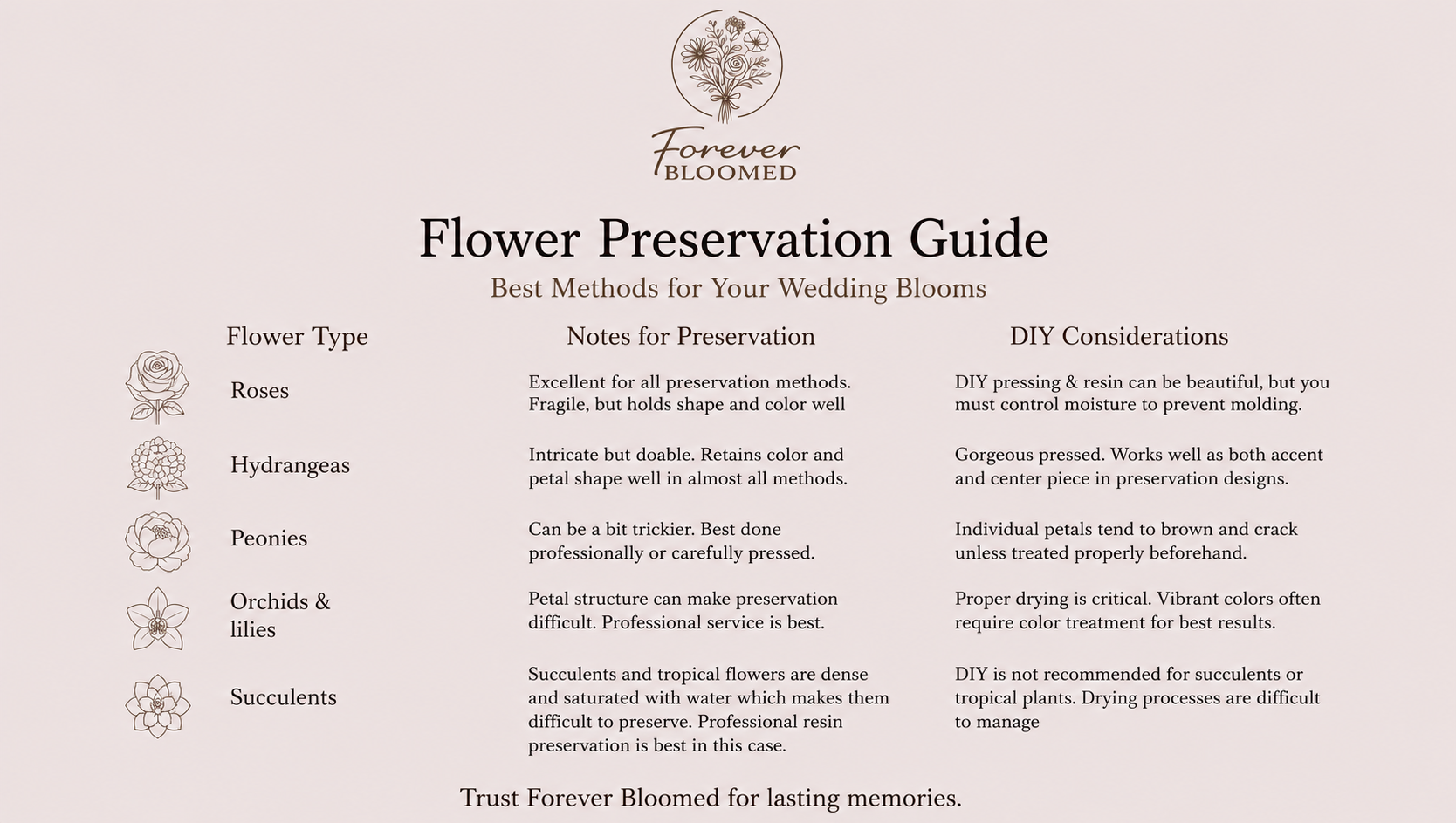
Q: Can all flowers be preserved? A: Almost all flowers can be preserved to some extent! The success of preservation depends on the flower type, its condition, and the method being used. Hardier blooms like roses, peonies, and hydrangeas are excellent candidates for most preservation methods, including professional resin preservation and pressing. More delicate or moisture-heavy flowers, such as certain lilies and succulents, are best handled by professionals, as they often require specialized techniques like freeze-drying to help prevent browning, wilting, or damage.
Q: How soon must I act after my wedding? A: Time is extremely important when it comes to flower preservation. For the best results, you should begin the process as soon as possible after your wedding—ideally within 1–3 days. The fresher the flowers are at the start of preservation, the better their color, shape, and overall appearance will be maintained. We recommend re-cutting the stems and placing your bouquet in fresh water immediately after your wedding to keep the flowers hydrated and healthy until they can be delivered to your preservation artist.
Q: Does resin yellow over time? A: High-quality, professional-grade epoxy resin is specially formulated with UV stabilizers and inhibitors to help prevent yellowing over time. This is one of the key differences between professional preservation services and many DIY resin kits. At Forever Bloomed, we use only premium, UV-resistant resins to help ensure your keepsake stays crystal-clear and beautiful for years to come.
Q: Can I preserve just petals or the entire bouquet? A: Absolutely! One of the best parts of professional flower preservation is the flexibility it offers. You can choose to preserve just a few meaningful flowers or petals, or have your entire bouquet carefully deconstructed and preserved as a cohesive piece of art. Many clients also choose to preserve a few standout blooms from their bouquet to create smaller keepsakes or wearable jewelry.
Q: Do you offer rush orders? A: Yes! We understand that life gets busy and the preservation window can be short. We do offer a limited number of rush orders for an additional fee, depending on current availability. If you’re working within a tight timeline, please contact us as soon as possible so we can discuss your options and determine if we’re able to accommodate your request.
Forever Bloomed Difference
Your wedding flowers are a one-of-a-kind keepsake, and they deserve a preservation method that reflects their significance. While DIY methods can be a fun and meaningful project, professional preservation provides a level of quality, durability, and artistry that’s difficult to achieve at home.
At Forever Bloomed, we use luxury-quality archival techniques to help ensure your memories last a lifetime. We do more than simply dry flowers — we transform them into lasting works of art. Our process includes UV-stable resins designed to resist yellowing, museum-grade framing for a refined and lasting display, and custom jewelry designs crafted to reflect your unique style and story.
We don’t just preserve flowers — we preserve your love story. Every piece we create is a custom work of art, thoughtfully crafted to honor the memories of one of the most meaningful days of your life.
